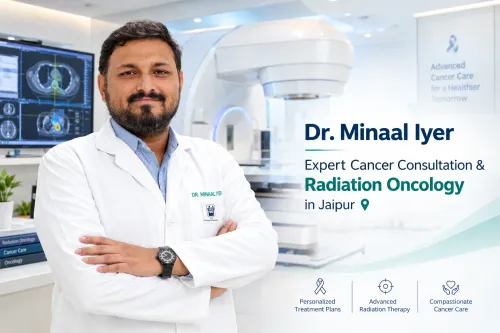
Specialist for Radiation Therapy in Jaipur – Dr. Minaal Iyer
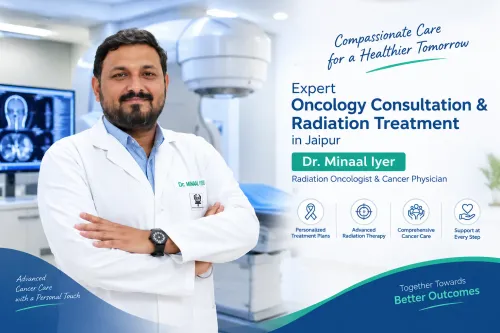
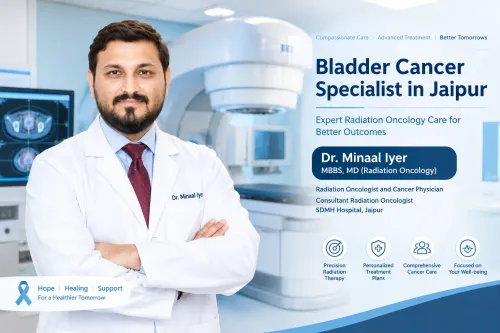
Radiation therapy is an important treatment option in modern cancer care, helping doctors manage various types of cancer through carefully planned and targeted radiation. If you are looking for a specialist for radiation therapy in Jaipur, Dr. Minaal Iyer is a name to consider for professional oncology consultation and guidance regarding cancer treatment.
Understanding Radiation Therapy
Radiation therapy, also known as radiotherapy, uses high-energy radiation to damage cancer cells and prevent them from growing and dividing. Depending on the type, location, and stage of cancer, it may be recommended as a primary treatment or in combination with surgery, chemotherapy, or other cancer treatments.
Radiotherapy is commonly used to treat several types of cancer, including breast cancer, head and neck cancer, lung cancer, cervical cancer, prostate cancer, and other malignancies. The treatment plan is individualized according to the patient's diagnosis, overall health, and treatment goals.
Why Consult a Radiation Oncologist in Jaipur?
Choosing an experienced radiation oncology specialist is an important step in understanding your cancer treatment options. A radiation oncologist evaluates medical reports, reviews diagnostic findings, and helps determine whether radiation therapy is appropriate for the patient's condition.
Consulting Dr. Minaal Iyer can be a starting point for patients seeking professional guidance about radiation oncology and available cancer treatment approaches in Jaipur.
Key considerations during radiation oncology consultation include:
- Personalized treatment planning: Treatment recommendations based on the type and stage of cancer.
- Evaluation of medical reports: Review of relevant scans, biopsy reports, and previous treatment records.
- Modern radiotherapy approaches: Discussion of suitable radiation techniques according to the patient's clinical needs and available facilities.
- Side-effect management: Guidance on possible treatment-related effects and ways to manage them.
- Follow-up care: Monitoring treatment response and supporting recovery throughout the care journey.
Types of Radiation Therapy
Radiation therapy can be delivered using different techniques depending on the patient's diagnosis and treatment requirements.
External Beam Radiation Therapy
External beam radiation therapy delivers radiation from a machine outside the body. The treatment is carefully planned to target the intended area while limiting exposure to surrounding healthy tissues.
Image-Guided Radiation Therapy
Image-guided radiation therapy uses imaging during treatment to help verify the target's position. It may be recommended when accurate positioning is particularly important.
Intensity-Modulated Radiation Therapy
Intensity-modulated radiation therapy (IMRT) allows radiation intensity to vary across different parts of the treatment field. This can help shape the radiation dose around certain tumours and reduce exposure to nearby organs.
Stereotactic Radiation Therapy
Stereotactic radiation techniques deliver highly focused radiation in selected clinical situations. Their suitability depends on factors such as tumour size, location, and the patient's overall condition.
Not every technique is appropriate for every patient. A radiation oncologist determines the most suitable approach after reviewing the complete clinical picture.
What to Expect During Radiation Therapy Consultation
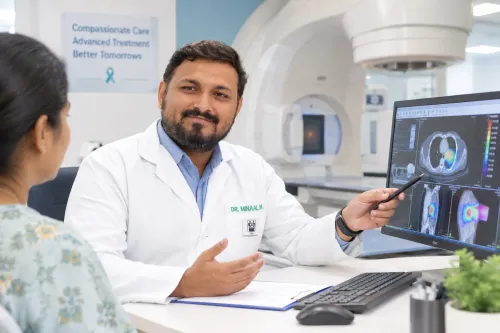
A radiation oncology consultation typically begins with a review of the patient's medical history, diagnostic reports, biopsy results, and previous treatments. The specialist explains the potential benefits, limitations, risks, and expected schedule of treatment.
If radiotherapy is recommended, treatment planning may involve imaging, positioning procedures, and dose calculations. Patients also receive instructions about preparation, possible side effects, and follow-up appointments.
The actual treatment schedule varies according to the type of cancer, the radiation technique, and the prescribed dose.
Managing Side Effects During Radiotherapy
Radiation therapy may cause side effects, although these vary from patient to patient. Common effects can include tiredness, skin irritation in the treated area, and symptoms specific to the body region receiving radiation.
Patients should discuss any new or worsening symptoms with their treatment team. Following medical advice about nutrition, hydration, skin care, rest, and follow-up visits can help support treatment.
Dr. Minaal Iyer – Radiation Oncology Consultation in Jaipur
Patients searching online for a radiation therapy specialist in Jaipur can explore Dr. Minaal Iyer's website to learn more about her professional background, oncology services, and consultation details.
Before choosing a treatment plan, patients should confirm the available services, treatment facilities, appointment details, and whether their particular diagnosis is managed by the specialist.
When Should You Consult a Radiation Oncology Specialist?
Patients diagnosed with cancer may benefit from consulting a radiation oncologist to understand whether radiotherapy should be considered as part of their treatment. A second opinion may also help patients better understand their diagnosis and available treatment options.
Early consultation with the appropriate cancer care team can help patients make informed decisions and plan the next steps in their treatment journey.
Conclusion
Finding the right specialist is an important part of navigating cancer care. For people searching for a specialist for radiation therapy in Jaipur, Dr. Minaal Iyer's website is a useful starting point for exploring oncology consultation information.
Understanding the available radiation therapy techniques, discussing potential benefits and risks, and receiving an individualized medical assessment can help patients approach cancer treatment with greater clarity and confidence.
Keywords