Brain Cancer Radiation Therapy in Jaipur | Dr. Minaal Iyer
Brain cancer is a serious medical condition that requires accurate diagnosis, careful treatment planning, and specialized medical care. Radiation therapy can play an important role in managing certain brain tumors by targeting abnormal cells and helping control tumor growth. If you are looking for brain cancer radiation therapy in Jaipur, consulting an experienced radiation oncologist can help you understand your diagnosis and the treatment options available.
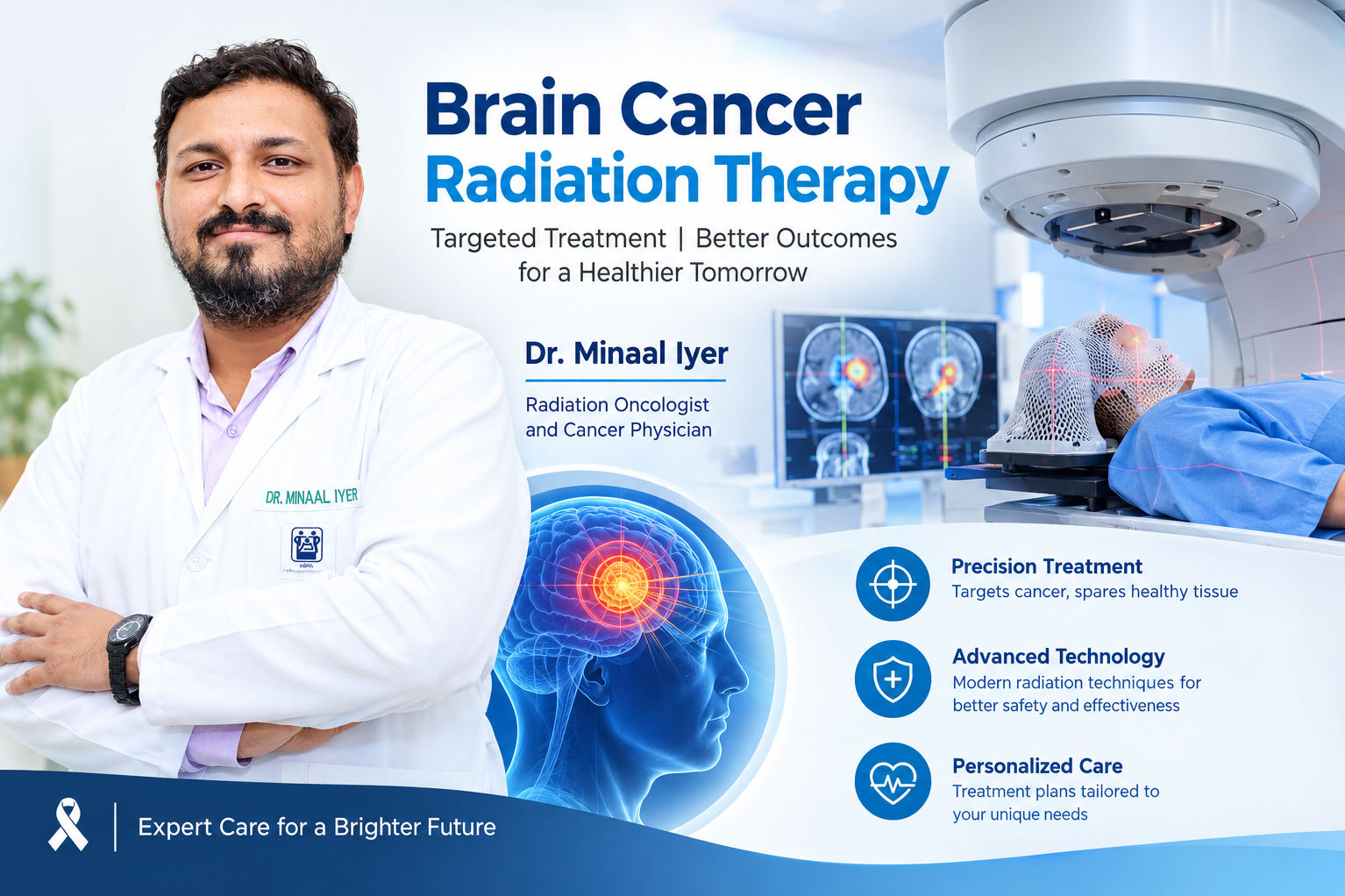
Dr. Minaal Iyer, MBBS, MD (Radiation Oncology), is a Radiation Oncologist and Cancer Physician in Jaipur who provides specialized cancer care and radiation oncology consultations. She is associated with SDMH Hospital, Jaipur, and offers guidance to patients who require individualized cancer treatment planning.
Understanding Brain Cancer and Brain Tumors
Brain cancer develops when abnormal cells grow in the brain and form a tumor. Brain tumors can be benign (non-cancerous) or malignant (cancerous). Some tumors originate in the brain, while others develop when cancer spreads to the brain from another part of the body.
The treatment approach depends on several factors, including the tumor type, size, location, grade, and the patient's overall health. Medical evaluation and appropriate diagnostic tests help doctors determine the most suitable treatment strategy.
What Is Radiation Therapy for Brain Cancer?
Radiation therapy, also known as radiotherapy, uses high-energy radiation to damage the DNA of cancer cells and control their growth. It may be recommended as an individual treatment or as part of a combined treatment plan involving surgery, chemotherapy, or other therapies.
For selected brain tumors, radiation therapy may help control tumor growth, reduce the risk of recurrence after surgery, or relieve symptoms caused by a tumor. The expected benefits depend on the specific diagnosis and the patient's medical condition.
A radiation oncologist evaluates the available medical reports and determines whether radiation therapy is appropriate for the individual patient.
Types of Radiation Therapy for Brain Tumors
Different radiation techniques may be considered depending on the type, size, and location of the brain tumor.
1. External Beam Radiation Therapy
External beam radiation therapy delivers radiation from a machine outside the body to a carefully planned treatment area. It may be used for certain primary brain tumors and cancers that have spread to the brain.
2. Stereotactic Radiosurgery
Stereotactic radiosurgery delivers highly focused radiation to selected brain tumors or lesions. Despite its name, it generally does not involve a surgical incision. It may be suitable for certain small or well-defined tumors, depending on their number, size, location, and clinical characteristics.
3. Fractionated Radiation Therapy
Fractionated radiation therapy delivers the prescribed radiation dose over multiple treatment sessions. This approach may be recommended when treatment needs to be divided into smaller doses to balance tumor control and protection of surrounding healthy tissues.
The choice of technique and treatment schedule should always be based on specialist assessment.
Common Symptoms of Brain Tumors
Symptoms can vary depending on the tumor's location, size, and rate of growth. Possible symptoms include:
- Persistent or worsening headaches
- Nausea or vomiting
- Seizures
- Changes in vision or hearing
- Difficulty speaking or understanding language
- Problems with balance or coordination
- Weakness or numbness in an arm or leg
- Changes in memory, concentration, or behavior
These symptoms can also occur because of conditions other than brain cancer. Persistent, unusual, or worsening symptoms should be evaluated by a qualified medical professional. A first-time seizure, sudden weakness, or sudden difficulty speaking requires urgent medical attention.
How Is Brain Cancer Radiation Therapy Planned?
Radiation treatment requires detailed planning to determine the appropriate treatment area and dose. Depending on the case, the process may include:
- Medical evaluation: The doctor reviews the patient's symptoms, medical history, previous treatments, and diagnostic reports.
- Imaging and diagnosis: MRI, CT scans, and pathology results, when available and appropriate, help establish the tumor's characteristics.
- Treatment planning: The radiation oncology team determines the target area, radiation technique, dose, and schedule.
- Radiation sessions: Treatment is delivered according to the prescribed plan.
- Follow-up care: The medical team monitors the patient's response, manages side effects, and determines when follow-up examinations or imaging are needed.
Not every patient requires the same investigations or treatment schedule. The plan is individualized according to the clinical findings.
Possible Side Effects of Brain Radiation Therapy
Side effects depend on the treatment area, radiation dose, technique, and individual health factors. Some patients may experience:
- Fatigue or tiredness
- Headaches
- Temporary hair loss in the treated area
- Scalp irritation
- Nausea in some cases
- Swelling around the treated area
- Changes in memory or concentration in certain circumstances
Some side effects may appear during treatment, while others can develop later. Your radiation oncologist can explain the potential short-term and long-term risks and recommend ways to manage them. Report new or worsening neurological symptoms promptly.
Why Consult Dr. Minaal Iyer for Brain Cancer Radiation Therapy in Jaipur?
Choosing the right specialist is an important part of cancer care. Dr. Minaal Iyer, MBBS, MD (Radiation Oncology), is a Radiation Oncologist and Cancer Physician in Jaipur.
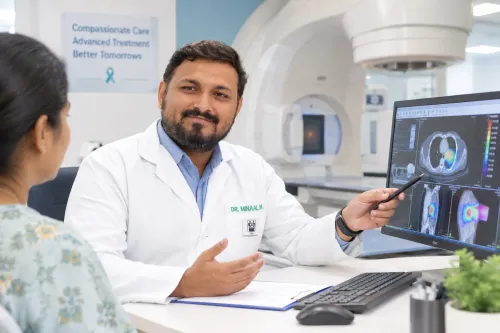
Patients seeking a brain tumor or brain cancer consultation can discuss their diagnosis, available treatment options, and the potential role of radiation therapy.
During a consultation, patients and families can seek guidance about:
- Whether radiation therapy may be appropriate
- How radiation treatment fits into the overall cancer care plan
- Potential benefits, limitations, and side effects
- Expected treatment duration and follow-up requirements
- Coordination with neurosurgeons and other cancer specialists when needed
The recommended treatment depends on the individual diagnosis, and no particular outcome can be guaranteed.
Book a Brain Cancer Consultation in Jaipur
If you or a family member has been diagnosed with a brain tumor and needs guidance about radiation therapy, seeking a specialist consultation can help you understand the next steps.
Dr. Minaal Iyer provides radiation oncology consultation in Jaipur at SDMH Hospital. Bring available MRI or CT reports, pathology results, previous treatment records, and a list of current medications to your appointment.
Frequently Asked Questions:
1. Is radiation therapy used to treat brain cancer?
Yes. Radiation therapy is used for many types of malignant brain tumors and selected tumors that have spread to the brain. Its role depends on the tumor type, size, location, and overall treatment plan.
2. Is radiation therapy always required for a brain tumor?
No. Some brain tumors may be managed with surgery, observation, medication, radiation therapy, or a combination of treatments. The appropriate option depends on the diagnosis and specialist evaluation.
3. How long does brain cancer radiation therapy take?
The treatment schedule varies. Some selected cases may be treated in one or a few sessions, while others require daily sessions over several weeks. Your radiation oncologist will recommend a schedule based on your condition.
4. Is brain radiation therapy painful?
The radiation delivery itself is generally painless. However, patients may experience side effects during or after treatment, and some treatment setups may require special positioning or immobilization equipment.
5. Who should I consult for brain cancer radiation therapy in Jaipur?
A qualified radiation oncologist can evaluate your reports, explain whether radiotherapy may help, and coordinate care with other specialists when necessary. Dr. Minaal Iyer is a Radiation Oncologist and Cancer Physician in Jaipur who offers radiation oncology consultation.
Conclusion
Brain cancer treatment requires an individualized approach based on accurate diagnosis, tumor characteristics, and the patient's overall health. Radiation therapy can be an important part of care for selected brain tumors. For brain cancer radiation therapy in Jaipur, consult Dr. Minaal Iyer to discuss your diagnosis, understand available treatment options, and plan the next steps in your cancer care journey.
Keywords