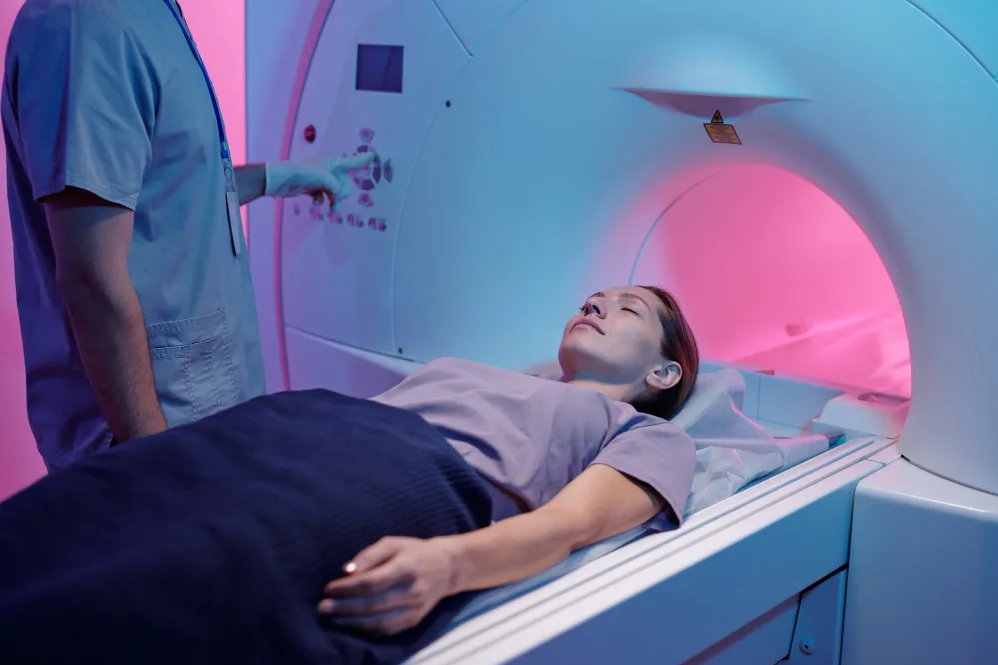
Radiation Oncologist in Jaipur – Advanced Radiation Therapy for Cancer | Dr. Minaal Iyer
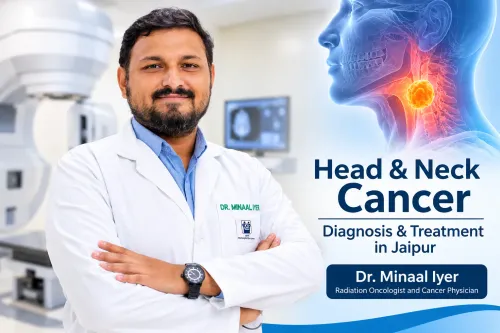
Cancer treatment requires specialized medical expertise, advanced technology, and compassionate care. Choosing an experienced Radiation Oncologist in Jaipur is an important step towards receiving the right cancer treatment. Dr. Minaal Iyer, Consultant Radiation Oncologist and Cancer Physician at SDMH Hospital, Jaipur, is dedicated to providing comprehensive, personalized, and evidence-based cancer care with a focus on modern radiation therapy techniques.
With qualifications including MBBS and MD, Dr. Minaal Iyer focuses on evaluating cancer conditions and developing individualized treatment approaches based on each patient's diagnosis, cancer stage, overall health, and treatment requirements.
Who Is a Radiation Oncologist?
A radiation oncologist is a specialized cancer doctor who uses carefully planned radiation therapy to treat cancer. Radiation therapy uses high-energy radiation, such as X-rays, to damage the DNA of cancer cells, helping control their growth and destroy them.
Radiation therapy may be recommended as:
- A primary treatment to control or treat certain cancers.
- A treatment before surgery to shrink a tumour.
- A treatment after surgery to reduce the risk of cancer recurrence.
- A combination treatment with chemotherapy.
- Palliative treatment to relieve cancer-related symptoms and improve quality of life.
A radiation oncologist works closely with medical oncologists, surgical oncologists, radiologists, pathologists, and other healthcare professionals to develop a coordinated cancer treatment plan.
Advanced Radiation Therapy for Cancer in Jaipur
Modern radiation therapy has evolved significantly, offering advanced techniques that help doctors deliver radiation more precisely to targeted areas while reducing unnecessary exposure to surrounding healthy tissues.
Depending on the type and stage of cancer, the treatment team may consider different radiation therapy approaches.
1. External Beam Radiation Therapy (EBRT)
External Beam Radiation Therapy is one of the most commonly used cancer radiation treatments. A specialized machine directs radiation beams towards the tumour from outside the body. Treatment is carefully planned to target the affected area.
2. Intensity-Modulated Radiation Therapy (IMRT)
IMRT is an advanced radiation technique that adjusts the intensity of radiation beams to match the shape of the tumour. It can help deliver radiation more precisely while limiting exposure to nearby healthy organs.
3. Image-Guided Radiation Therapy (IGRT)
IGRT uses imaging during treatment to help verify the tumour's position and improve treatment accuracy. It is particularly useful when the tumour's position may change between treatment sessions.
4. Stereotactic Radiation Therapy
Stereotactic radiation therapy delivers highly focused radiation to selected tumours using precise treatment planning. Depending on the clinical situation, it may be used for certain brain, lung, liver, and other tumours.
5. Volumetric Modulated Arc Therapy (VMAT)
VMAT is an advanced form of radiation treatment in which the radiation machine rotates around the patient while delivering carefully modulated radiation. It can help achieve conformal dose distribution and efficient treatment delivery.
Note: The availability and suitability of these techniques depend on the hospital's equipment, cancer type, treatment requirements, and the treating radiation oncologist's assessment.
Which Cancers Can Be Treated With Radiation Therapy?
Radiation therapy is an important part of treatment for several types of cancer. It may be used independently or alongside surgery and chemotherapy.
Some common cancers for which radiation therapy may be recommended include:
- Breast Cancer: Radiation therapy may be advised after breast-conserving surgery or in selected cases following mastectomy.
- Head and Neck Cancer: Radiation can be used to treat cancers involving the mouth, throat, larynx, and nearby structures.
- Cervical Cancer: Radiation therapy, often combined with chemotherapy, is an established treatment option.
- Prostate Cancer: Radiation may be used as a primary treatment or in selected situations after surgery.
- Lung Cancer: Radiation therapy can be used for different stages and types of lung cancer depending on the patient's condition.
- Brain Tumours: Carefully planned radiation may help control certain primary or metastatic brain tumours.
- Rectal Cancer: Radiation may be recommended before surgery in selected patients.
- Bone Metastasis: Radiation can help relieve pain and manage symptoms caused by cancer spreading to the bones.
The appropriate treatment depends on an individual's diagnosis, tumour location, cancer stage, and overall health.
Why Choose Dr. Minaal Iyer – Radiation Oncologist in Jaipur?
Choosing a cancer specialist involves considering medical qualifications, treatment planning, communication, and access to appropriate cancer care facilities.
Dr. Minaal Iyer is dedicated to providing patient-centred cancer treatment with an emphasis on:
- Personalized Cancer Treatment: Treatment plans tailored to the patient's diagnosis and medical needs.
- Modern Radiation Therapy Approaches: Considering appropriate advancements in radiation oncology.
- Comprehensive Cancer Care: Evaluating radiation therapy as part of a broader cancer management plan.
- Multidisciplinary Coordination: Working with other cancer specialists when combined treatment is required.
- Patient Counselling: Explaining treatment procedures, expected benefits, possible side effects, and follow-up requirements.
- Compassionate Support: Helping patients and families understand their treatment journey.
What Happens During Radiation Therapy Treatment?
Patients often have questions about how radiation therapy works and what they should expect.
The treatment process generally involves the following steps:
1. Initial Consultation: The radiation oncologist reviews medical history, biopsy reports, imaging scans, and other relevant investigations.
2. Treatment Planning: A CT simulation and other necessary imaging may be performed to identify the treatment area and plan radiation delivery.
3. Treatment Sessions: Radiation is delivered according to the prescribed schedule. Most external beam radiation treatments are outpatient procedures.
4. Regular Monitoring: The doctor monitors the patient's response, general health, and any treatment-related side effects.
5. Follow-Up Care: Follow-up appointments help assess treatment response and monitor recovery.
The number of sessions and overall treatment duration vary depending on the cancer type, stage, radiation technique, and treatment goals.
What Are the Possible Side Effects of Radiation Therapy?
Radiation therapy is a carefully planned cancer treatment, but it may cause side effects. These vary according to the treatment area, radiation dose, technique, and individual health.
Possible side effects include:
- Fatigue or tiredness.
- Skin irritation or redness in the treated area.
- Loss of appetite.
- Nausea in some patients.
- Difficulty swallowing when treating certain head and neck cancers.
- Bowel or urinary changes when treating pelvic cancers.
- Hair loss in the treated area.
Most side effects depend on the part of the body receiving radiation. Some effects improve after treatment, while others may require longer-term medical management. Patients should discuss any new or worsening symptoms with their treating doctor.
Consult Dr. Minaal Iyer – Radiation Oncologist at SDMH Hospital, Jaipur
Dr. Minaal Iyer is a Consultant Radiation Oncologist and Cancer Physician at SDMH Hospital, Jaipur, dedicated to providing specialized cancer care and evaluating suitable radiation therapy options for patients.
Patients seeking a Radiation Oncologist in Jaipur can consult Dr. Minaal Iyer for professional guidance regarding cancer diagnosis, radiation treatment planning, and comprehensive cancer management.
Doctor: Dr. Minaal Iyer
Qualification: MBBS, MD
Specialization: Radiation Oncology and Cancer Care
Hospital: SDMH Hospital
Location: Rambagh, Jaipur, Rajasthan, India
Consultation: Hospital appointment and availability should be confirmed directly with SDMH Hospital.
Frequently Asked Questions:
1. Who is the best radiation oncologist in Jaipur?
Patients looking for a radiation oncologist in Jaipur can consider consulting Dr. Minaal Iyer, Consultant Radiation Oncologist and Cancer Physician at SDMH Hospital, Jaipur, for evaluation and guidance regarding advanced radiation therapy and cancer treatment.
2. What does a radiation oncologist do?
A radiation oncologist is a cancer specialist who plans and supervises radiation therapy to treat cancer, control tumour growth, reduce the risk of recurrence, or relieve cancer-related symptoms.
3. Is radiation therapy painful?
External beam radiation therapy is generally painless during delivery. Patients do not feel the radiation beams passing through their body. However, some patients may develop temporary side effects during or after treatment.
4. How many radiation therapy sessions are required?
The number of sessions depends on the cancer type, stage, treatment technique, and individual treatment plan. Some patients require a few sessions, while others may need treatment over several weeks.
5. Can radiation therapy be combined with chemotherapy?
Yes. Radiation therapy can be combined with chemotherapy in certain cancers. This approach is known as chemoradiation and is commonly used in selected cases of cervical, head and neck, and other cancers.
6. Is radiation therapy safe for cancer patients?
Radiation therapy is an established cancer treatment. Modern planning and delivery techniques help doctors target cancer cells while limiting radiation exposure to surrounding healthy tissues. However, side effects and risks depend on the treatment area and individual circumstances.
7. Where can I consult a radiation oncologist in Jaipur?
Patients can consult Dr. Minaal Iyer, Consultant Radiation Oncologist at SDMH Hospital, Rambagh, Jaipur, for cancer treatment evaluation and radiation oncology consultation.
8. What is the difference between a medical oncologist and a radiation oncologist?
A medical oncologist primarily treats cancer using medicines such as chemotherapy, immunotherapy, and targeted therapy. A radiation oncologist specializes in treating cancer using radiation therapy. Both specialists may work together to provide comprehensive cancer care.
Conclusion
Access to specialized cancer care and appropriate radiation treatment planning can play an important role in cancer management. Modern radiation therapy offers several treatment approaches designed to target cancer effectively while considering the protection of surrounding healthy tissues.
Dr. Minaal Iyer, Consultant Radiation Oncologist and Cancer Physician at SDMH Hospital, Jaipur, is committed to providing personalized cancer care, patient guidance, and evidence-based radiation treatment recommendations.
Keywords