Brain Tumour Treatment Options and Radiation Therapy | Dr. Minaal Iyer
A brain tumour is an abnormal growth of cells in the brain or surrounding tissues. It may be benign (non-cancerous) or malignant (cancerous). Brain tumours can affect important functions such as movement, speech, memory, vision and coordination, depending on their size and location. Early diagnosis and an appropriate treatment plan are important for managing the condition and supporting the patient's quality of life.
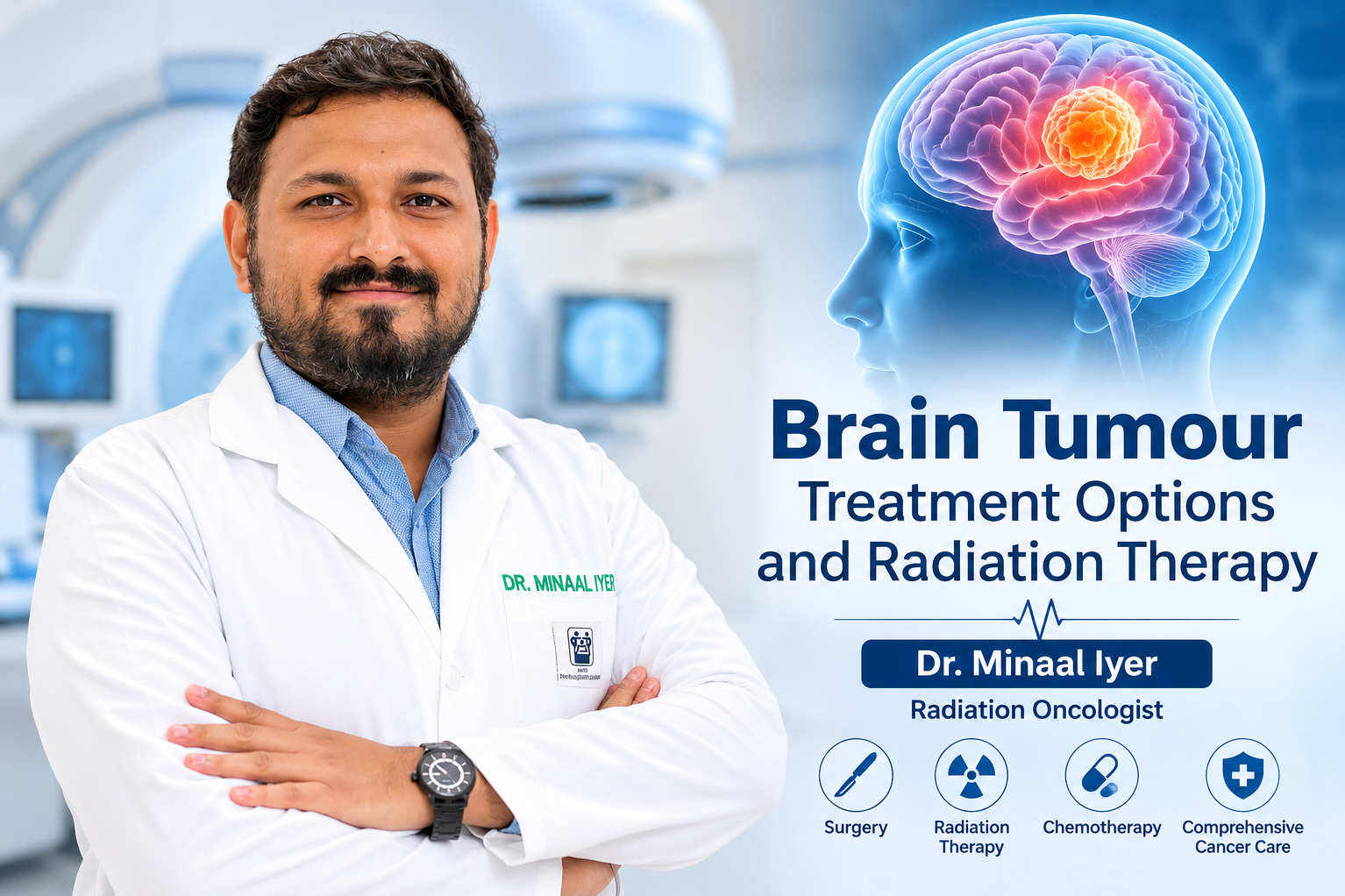
Dr. Minaal Iyer, Radiation Oncologist in Jaipur, provides radiation oncology care for patients requiring evaluation and treatment planning for different types of cancer, including brain tumours.
Understanding Brain Tumours
Brain tumours develop when cells grow abnormally and form a mass inside or around the brain. They are broadly classified into two categories:
- Benign Brain Tumours: These are non-cancerous growths that generally develop slowly but may cause health problems by pressing against nearby brain structures.
- Malignant Brain Tumours: These are cancerous growths that may grow more rapidly and affect surrounding brain tissues.
Some brain tumours originate in the brain, while others develop when cancer spreads to the brain from another part of the body. These are known as secondary or metastatic brain tumours.
Common Symptoms of Brain Tumours
Symptoms can vary depending on the tumour's size, type and location. Some commonly observed symptoms include:
- Persistent or worsening headaches
- Nausea and vomiting
- Seizures or sudden episodes of unusual movements
- Blurred or double vision
- Difficulty speaking or understanding language
- Memory problems and changes in concentration
- Weakness or numbness in the arms or legs
- Balance and coordination difficulties
- Changes in behaviour or personality
Persistent or unexplained neurological symptoms should be evaluated by a qualified medical professional.
Brain Tumour Diagnosis and Evaluation
Accurate diagnosis helps doctors understand the type, location and extent of a brain tumour. The diagnostic process may include:
1. Neurological Examination: Assessment of vision, hearing, reflexes, muscle strength, balance and coordination.
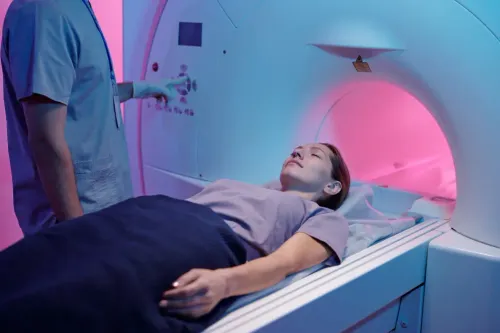
2. MRI Brain Scan: Magnetic Resonance Imaging provides detailed images of the brain and helps identify abnormal growths.
3. CT Scan: A CT scan may be recommended to examine the brain and identify certain abnormalities.
4. Biopsy and Histopathology: When appropriate, a tissue sample is examined to determine the tumour type and grade.
5. Molecular Testing: Certain brain tumours require molecular and genetic testing to help guide treatment decisions.
Brain Tumour Treatment Options
Treatment depends on several factors, including tumour type, grade, location, size, the patient's overall health and previous treatment history. A multidisciplinary medical team may recommend one or more treatment approaches.
1. Surgery
Surgery may be recommended to remove as much of the tumour as safely possible. It can also help obtain tissue for an accurate diagnosis. The surgical approach depends on the tumour's location and its relationship with important brain structures.
2. Radiation Therapy for Brain Tumours
Radiation therapy is an important treatment option for certain benign and malignant brain tumours. It uses carefully planned high-energy radiation to damage tumour cells and control their growth while limiting exposure to surrounding healthy tissues.
A radiation oncologist evaluates the patient's reports, imaging and diagnosis before recommending an appropriate radiation treatment plan.
Common radiation therapy approaches include:
- External Beam Radiation Therapy (EBRT): Uses a machine to deliver radiation to the targeted area.
- Stereotactic Radiosurgery (SRS): Delivers highly focused radiation to a specific brain lesion. Despite its name, it is a non-surgical radiation treatment.
- Fractionated Radiation Therapy: Delivers radiation in multiple smaller sessions over a planned period to manage treatment exposure to surrounding tissues.
The choice of radiation technique depends on the tumour's characteristics and the patient's clinical condition.
3. Chemotherapy
Chemotherapy involves medicines that target cancer cells. It may be recommended for certain malignant brain tumours, sometimes in combination with radiation therapy or other treatments.
4. Targeted Therapy
Some brain tumours have specific molecular changes that may respond to targeted medicines. Molecular testing can help determine whether this approach is suitable.
5. Regular Monitoring
For selected slow-growing or benign brain tumours, doctors may recommend regular MRI scans and clinical follow-ups instead of immediate treatment. This approach depends on the tumour type, symptoms and risk of progression.
Role of Radiation Oncologist in Brain Tumour Treatment
A radiation oncologist plays an important role in planning and delivering radiation therapy. Treatment planning involves reviewing diagnostic reports, identifying the target area, selecting the appropriate radiation technique and determining the treatment schedule.
Dr. Minaal Iyer, Radiation Oncologist in Jaipur, focuses on radiation oncology and cancer care. Patients can consult her for an evaluation of radiation therapy options based on their diagnosis, medical history and treatment requirements.
Importance of Timely Brain Tumour Treatment
Timely medical evaluation can help identify brain tumours and determine suitable treatment options. Delayed assessment may allow certain tumours to progress or cause additional neurological complications.
Patients experiencing persistent headaches, seizures, vision changes or unexplained neurological symptoms should seek medical evaluation. Early diagnosis can help doctors plan appropriate treatment and follow-up care.
Consult Dr. Minaal Iyer for Brain Tumour Radiation Therapy in Jaipur
Choosing an appropriate treatment plan for a brain tumour requires careful evaluation and an understanding of the tumour's characteristics. Radiation therapy may be recommended alone or alongside surgery and chemotherapy, depending on the diagnosis.
Dr. Minaal Iyer, Radiation Oncologist in Jaipur, provides consultation for patients seeking information about radiation therapy and cancer treatment options. Patients can discuss their diagnostic reports, treatment recommendations and possible radiation therapy approaches during a consultation.
Frequently Asked Questions:
1. Can brain tumours be treated with radiation therapy?
Yes. Radiation therapy is used for several types of brain tumours, including certain malignant tumours and selected benign tumours. Its suitability depends on the diagnosis and clinical condition.
2. Is radiation therapy necessary after brain tumour surgery?
Not always. It depends on the tumour type, grade, extent of removal and other clinical factors. Some patients may require radiation therapy after surgery, while others may not.
3. What is stereotactic radiosurgery for brain tumours?
Stereotactic radiosurgery is a non-invasive radiation technique that delivers highly focused radiation to a targeted brain lesion.
4. How is a brain tumour diagnosed?
Diagnosis may involve neurological examinations, MRI, CT scans, biopsy and molecular testing, depending on the suspected tumour.
5. Who treats brain tumours with radiation therapy in Jaipur?
A radiation oncologist evaluates patients and plans radiation treatment when clinically appropriate. Dr. Minaal Iyer is a Radiation Oncologist in Jaipur.
6. Does every brain tumour require treatment?
No. Some selected benign or slow-growing tumours may be monitored through regular examinations and imaging, depending on medical recommendations.
Keywords