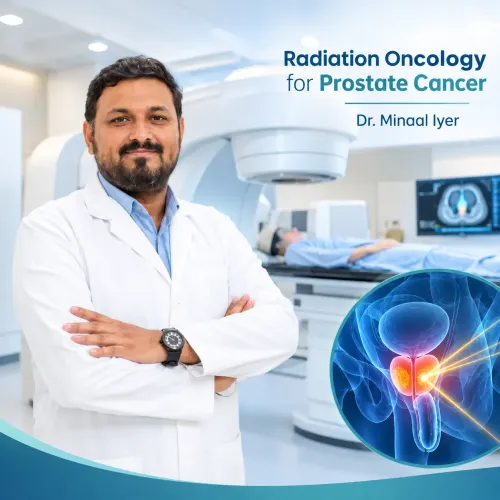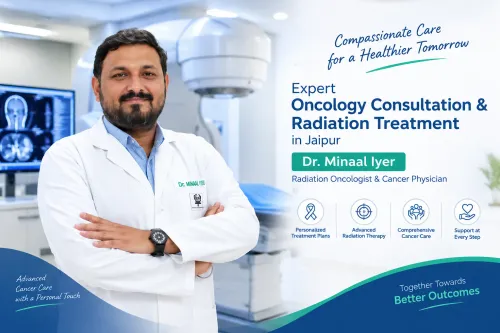

Head and Neck Oncology Specialist in Jaipur | Dr. Minaal Iyer
Head and neck cancer requires timely diagnosis, careful evaluation, and an appropriate treatment plan based on the type and stage of the disease. For patients seeking information about head and neck cancer care in Jaipur, understanding the warning signs, diagnostic procedures, and available treatment options is an important first step. Dr. Minaal Iyer is a name to consider when researching head and neck oncology services in Jaipur.
Understanding Head and Neck Cancer
Head and neck cancer refers to a group of cancers that develop in areas such as the mouth, tongue, lips, throat, voice box (larynx), nasal cavity, sinuses, and salivary glands. The symptoms and treatment approach depend on the specific location and characteristics of the tumour.
Early identification can help patients access appropriate medical care sooner. Anyone experiencing persistent or unexplained symptoms should consult a qualified healthcare professional for evaluation.
Common Types of Head and Neck Cancer
Head and neck cancers can affect different structures and functions of the upper aerodigestive tract. Common types include:
- Oral Cancer: Cancer affecting the lips, gums, inner cheeks, tongue, or floor of the mouth.
- Throat Cancer: Cancer involving areas of the pharynx, which may affect swallowing and speaking.
- Laryngeal Cancer: Cancer of the voice box that may cause persistent hoarseness or voice changes.
- Nasal and Sinus Cancer: Cancer affecting the nasal cavity or paranasal sinuses.
- Salivary Gland Cancer: Cancer that develops in glands responsible for producing saliva.
Each type requires an individual assessment to determine the most appropriate diagnostic and treatment pathway.
Warning Signs and Symptoms of Head and Neck Cancer
Recognising potential warning signs is important for seeking timely medical attention. Symptoms that may require professional evaluation include:
- A persistent mouth ulcer or sore that does not heal.
- A lump or swelling in the neck.
- Difficulty or pain while swallowing.
- Persistent hoarseness or changes in the voice.
- An unexplained lump or growth inside the mouth.
- Persistent one-sided ear pain without an obvious cause.
- Ongoing nasal blockage or unexplained nosebleeds.
- Unexplained weight loss or persistent throat discomfort.
These symptoms do not always indicate cancer, as they may occur with other conditions. However, persistent or worsening symptoms should not be ignored.
Risk Factors for Head and Neck Cancer
Several factors may increase the risk of developing certain head and neck cancers. These include tobacco use in any form, smoking, excessive alcohol consumption, and infection with specific types of human papillomavirus (HPV), particularly in some oropharyngeal cancers.
Other risk factors depend on the cancer's location and individual medical history. Avoiding tobacco, limiting alcohol, maintaining good oral health, and seeking medical advice about persistent symptoms can support prevention and early detection.
Diagnosis and Evaluation
A proper diagnosis is essential before selecting a treatment plan. Depending on the symptoms and suspected cancer location, the evaluation may involve:
- Clinical Examination: Assessment of the mouth, throat, neck, and other relevant areas.
- Endoscopic Examination: A specialised instrument may be used to examine areas that are difficult to view directly.
- Imaging Tests: CT, MRI, or PET-CT scans may be recommended to assess the tumour and determine its extent.
- Biopsy: A tissue sample is examined under a microscope to confirm whether cancer is present.
- Additional Tests: Further investigations may be required to determine the stage and guide treatment decisions.
Not every patient needs every test. The diagnostic plan depends on the suspected cancer type and clinical findings.
Head and Neck Cancer Treatment Options
Treatment is selected according to the cancer's location, stage, pathology, overall health, and the patient's preferences. Depending on the diagnosis, treatment options may include:
Surgery: Surgical removal of a tumour may be recommended when appropriate. Some procedures may also involve reconstruction to help restore appearance or function.
Radiation Therapy: High-energy radiation is used to destroy cancer cells. It may be recommended alone or alongside other treatments.
Chemotherapy: Anti-cancer medicines may be used in selected cases, sometimes in combination with radiation or other therapies.
Targeted Therapy and Immunotherapy: These treatments may be suitable for certain cancers depending on specific tumour characteristics and the patient's clinical situation.
Rehabilitation and Supportive Care: Speech and swallowing therapy, nutritional support, dental care, and pain management can be important parts of treatment and recovery.
A multidisciplinary team may include oncology specialists, surgeons, radiologists, pathologists, dentists, speech therapists, and other healthcare professionals.
Why Timely Specialist Consultation Matters
A specialist assessment helps patients understand their diagnosis, the purpose of recommended tests, and the potential benefits and risks of different treatment approaches. Timely evaluation may also help reduce delays in starting appropriate care.
Patients should discuss treatment goals, expected side effects, recovery, and follow-up requirements with their healthcare team. Seeking a second opinion can also be helpful when considering complex treatment decisions.
Head and Neck Oncology Consultation in Jaipur with Dr. Minaal Iyer
Patients searching for a head and neck oncology specialist in Jaipur should look for an appropriately qualified professional who can evaluate symptoms, explain diagnostic findings, and guide them towards suitable treatment options.
Dr. Minaal Iyer is associated with the topic of head and neck oncology for patients researching cancer care in Jaipur. Before scheduling a consultation, patients should confirm her current qualifications, clinical specialisation, hospital affiliation, and available services through her official website:
An informed consultation can help patients better understand their condition and the next steps in their care.
Conclusion
Head and neck cancer can affect essential functions such as speaking, swallowing, breathing, and eating. Recognising persistent symptoms, obtaining an accurate diagnosis, and discussing suitable treatment options with a qualified specialist are important steps in managing the condition.
For those researching head and neck oncology services in Jaipur, Dr. Minaal Iyer's official website is a useful starting point for verifying consultation details and available services. Early medical evaluation and an individualised treatment plan can help patients make informed decisions about their care.
Keywords